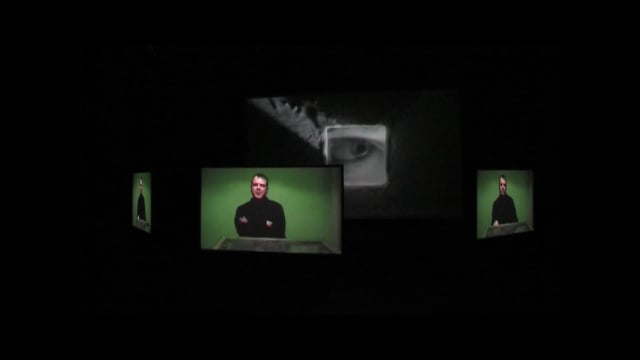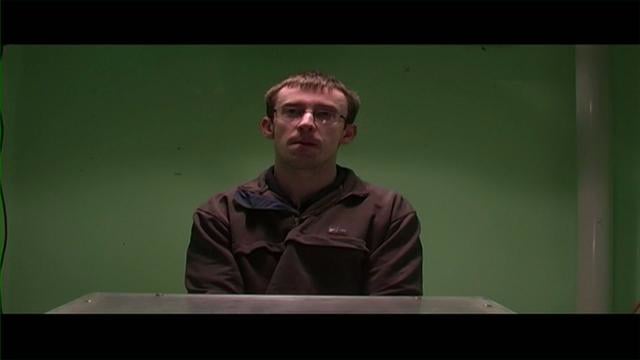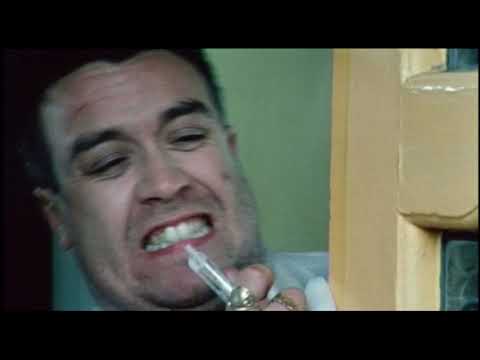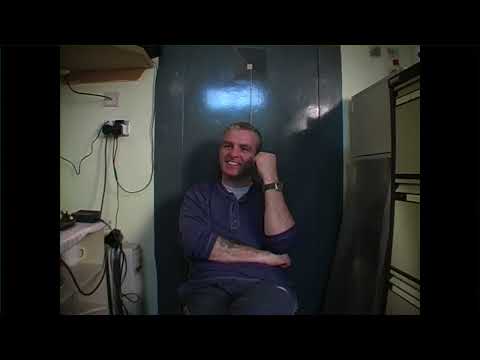
I did not go to Portlaoise Prison to make a participatory arts project. I went because I wanted to understand how interrogation shapes a community from the inside — I was writing a screenplay about a woman who carries those wounds. When one of the prisoners proposed a project investigating the same subject from a different point of view, an unimaginable opportunity presented itself.
The men I worked with existed between two walls of enforced silence — the oath of secrecy sworn to the IRA, and the machinery of Special Powers legislation deployed by the state. The discipline that held the landing together made the work possible. The secrecy that governed their lives was not an obstacle — it was the subject.
What became clear immediately was that the IRA's only interest in film was propaganda. They asked if I could help. I told them I thought IRA propaganda was shite. Before I could draw breath the CO of the landing replied, with exasperation, that he felt exactly the same way. I asked him if he had ever seen the Coca-Cola ad about Route 66. His eyes lit up. I said: you can't make that — you don't have the budget. The only thing you can do that isn't propaganda is tell your story, truthfully.
The CO became the producer of the project. He held the tapes. He briefed the men: they could speak about their own experience of arrest and interrogation. They were encouraged to lie if they were inclined to — they were characters in a game. Nothing would be shown without their clearance. No operational matters. The rules of engagement were set by the community's own leadership structure, not imposed from outside.
What was surprising — what nobody predicted — was how the men related to the camera. They used it confessionally. At times surprisingly so. Some used it as a means of confessing transgressions to the landing. The camera became a mirror, a priest, a witness. My role became about creating a space that the men could occupy — a space outside of the secrecy, outside of the landing's rules, outside of the state's reach.
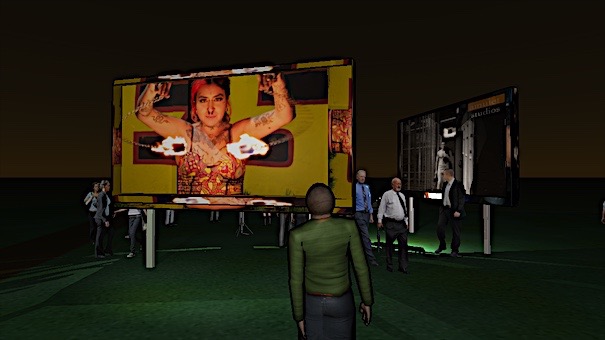
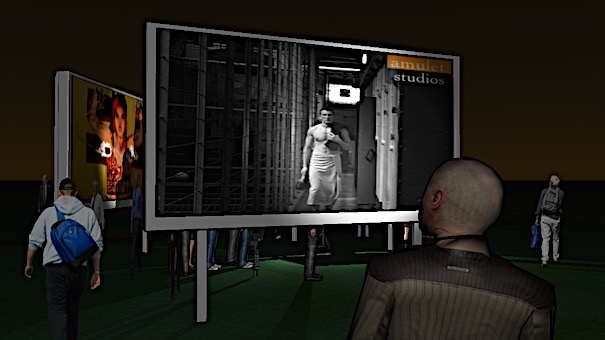
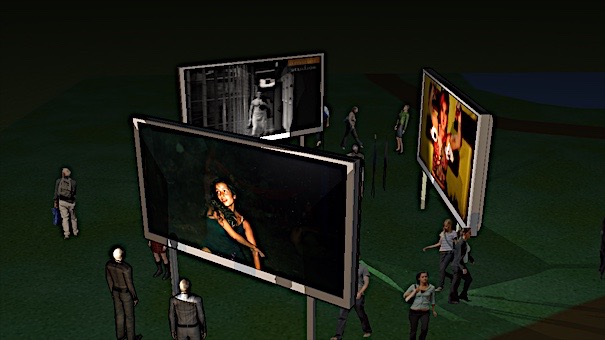
Two years into the project the work was shown at the prison's own exhibition. The response was immediate — both the prison authorities and the IRA staff on the landing withheld permission for any further work of a documentary nature. I enrolled in the NCAD for a Masters in Participatory Art Practice and continued working within the permissions I had. That is what it is to live between walls — to spend your life looking for a space that belongs to you.