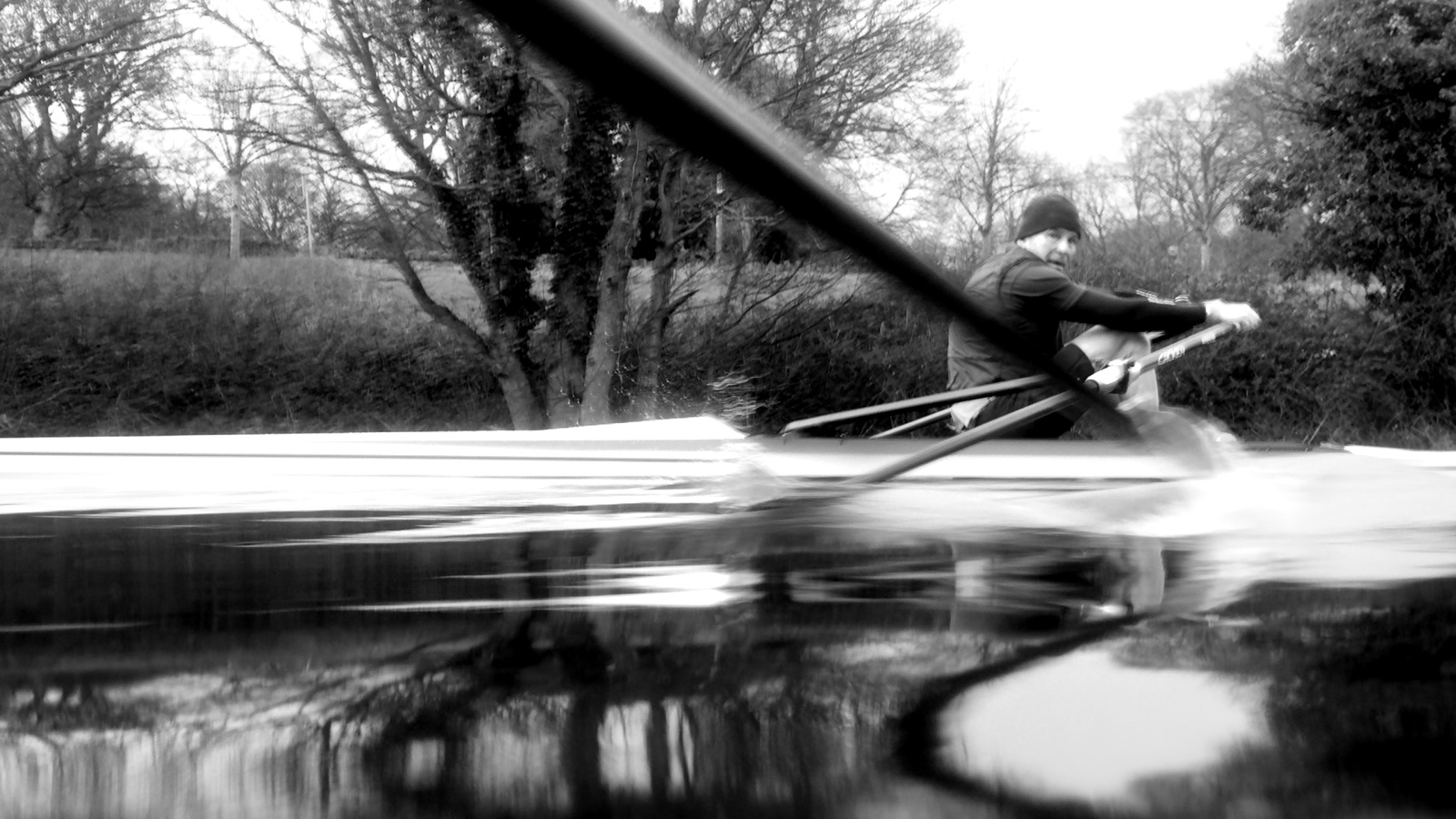
A filmmaker takes to the water. His turntable empire has collapsed. The genocide is streaming live and nobody is stopping it. He thought never again meant never again.
He wrote to Francesca Albanese, the UN's Special Rapporteur on Palestine — sanctioned by the United States, threatened with a pager bomb, made functionally unbankable for doing her job. She didn't respond. He went to Bogotá instead.
What begins as a search for the resistance becomes something more unsettling — a recognition. Following the thread from Dublin to Bogotá to Derry to London to New York, Billy McCannon discovers that what is happening in Palestine is not new, not exotic, not someone else's story. It is bog standard state violence on serious drugs. The architecture was already in place, waiting in the long grass, long before October 7th.
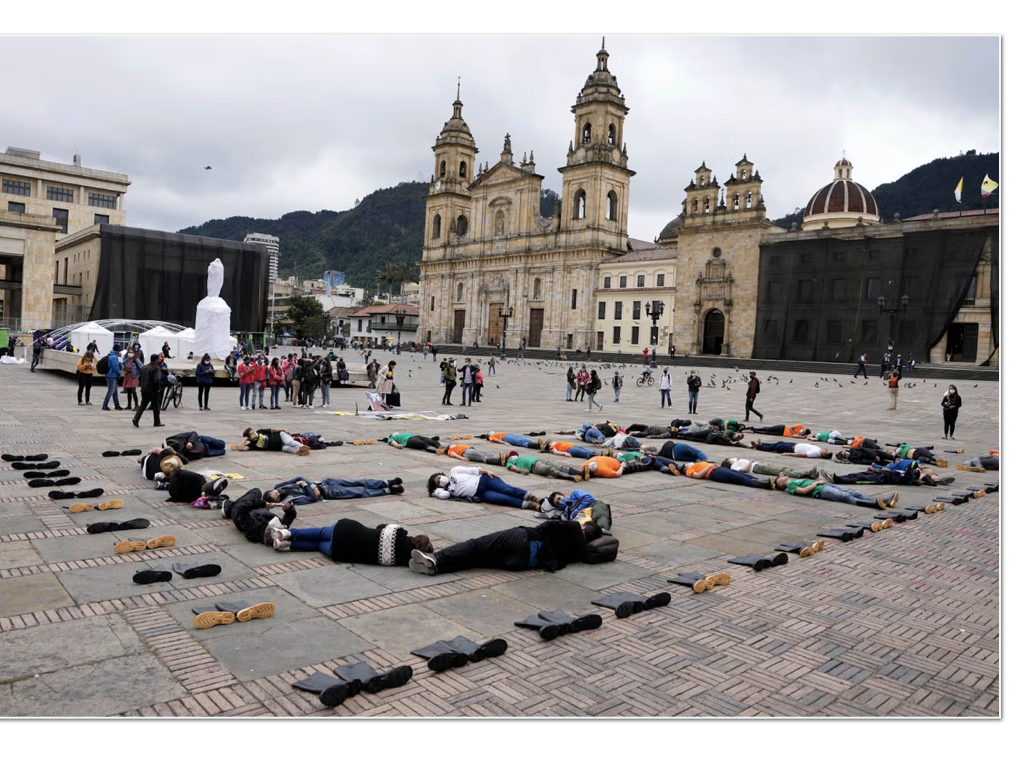
In Colombia he finds the false positives — six thousand four hundred young men lured with the promise of work, dressed in uniforms, taken to active combat zones and killed so the state could prove it was winning the war. He recognises the shape of it immediately. He grew up inside this.
The Colombians learned the ways of colonial oppression from the Israelis. The Israelis learned from the British. Ireland was the laboratory. All threads go through London.
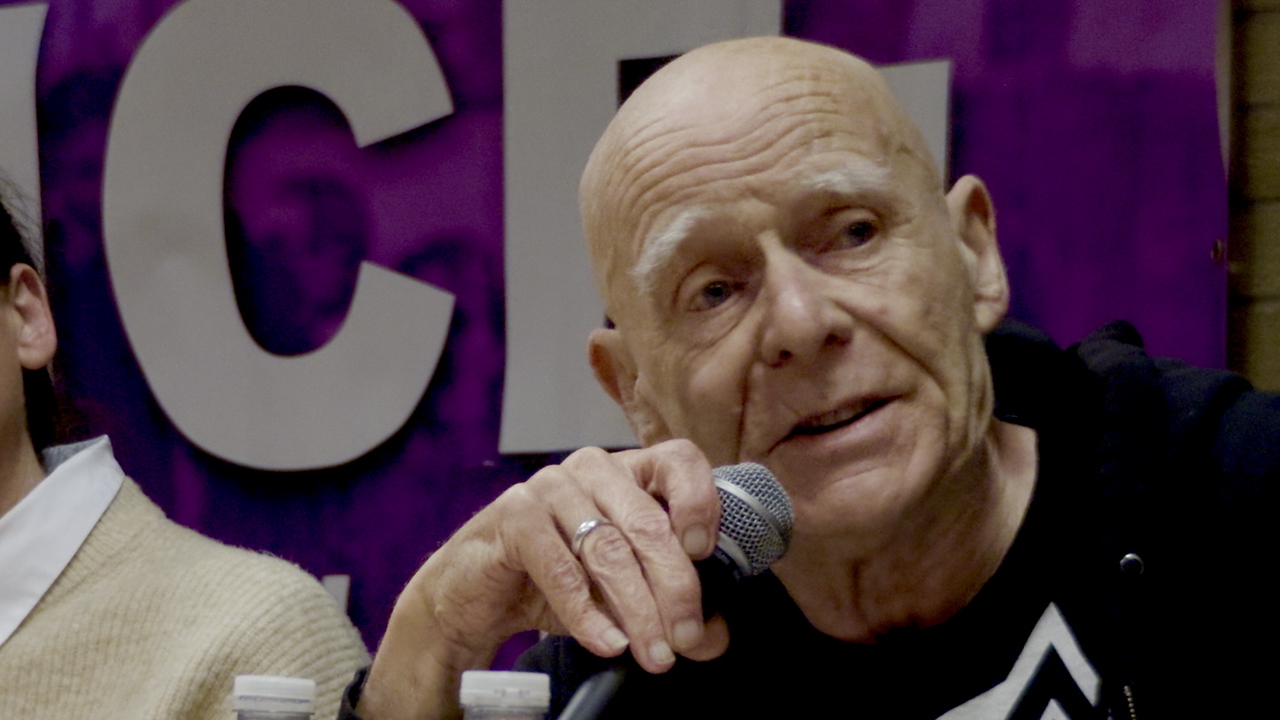
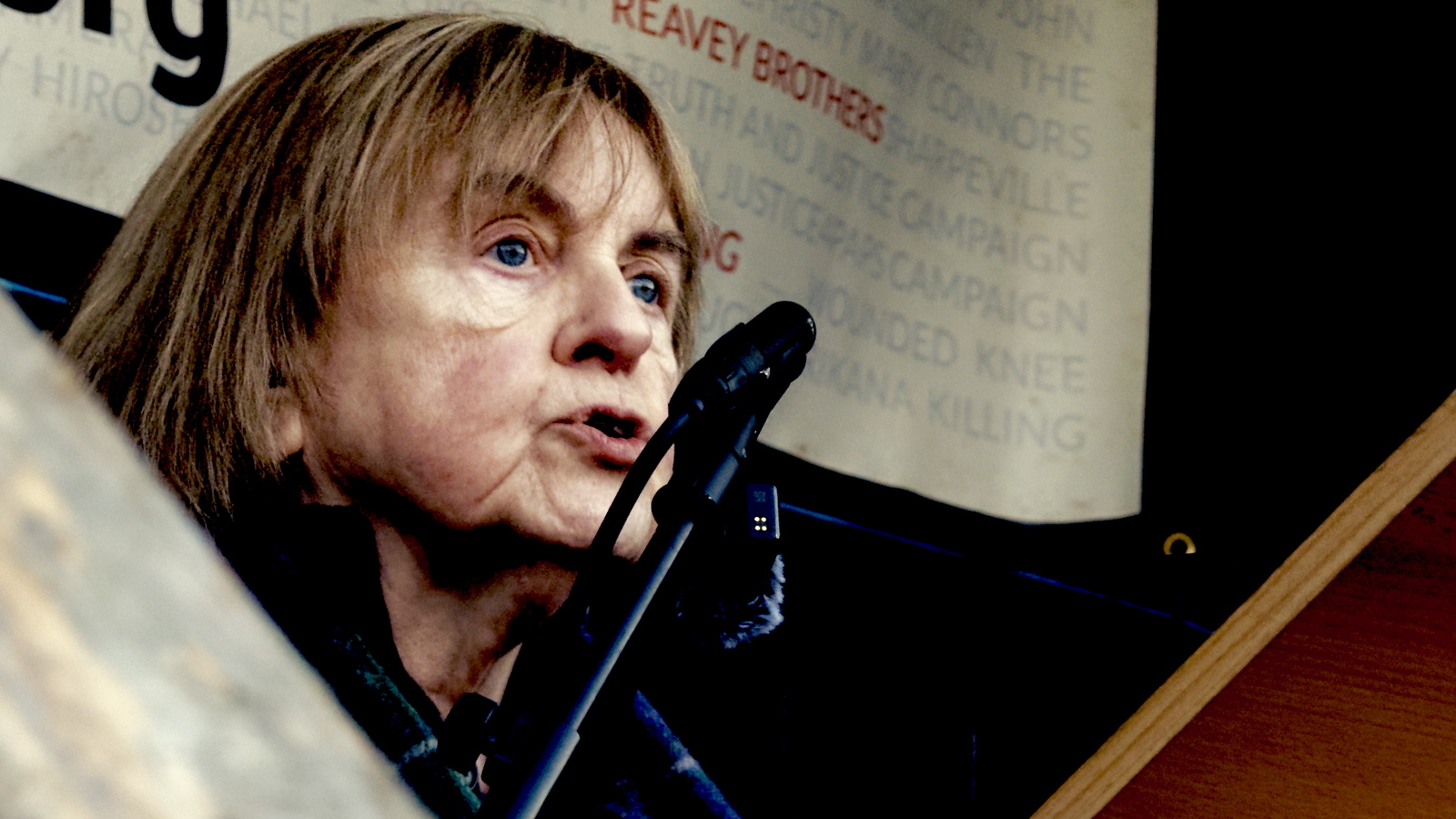
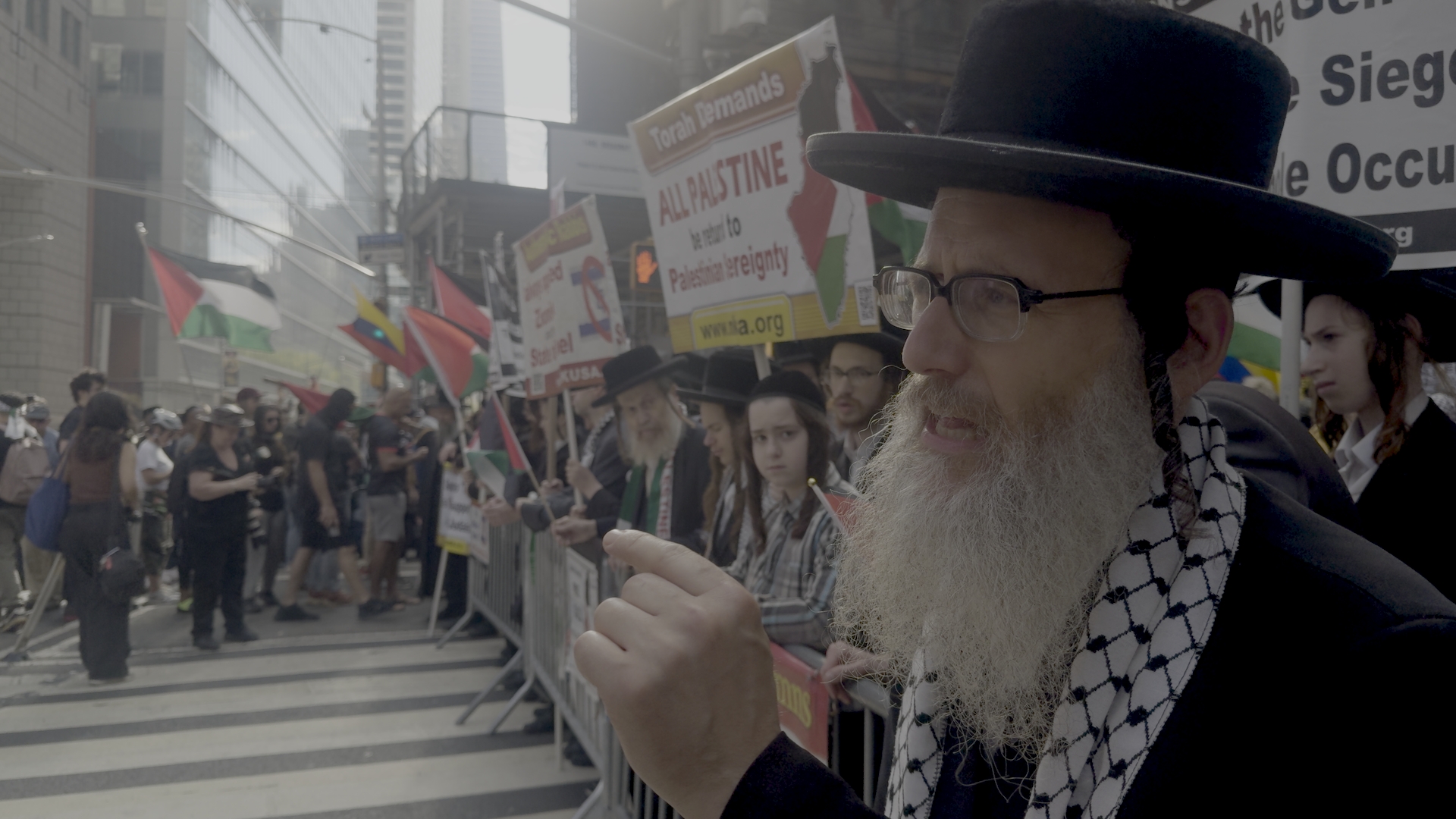
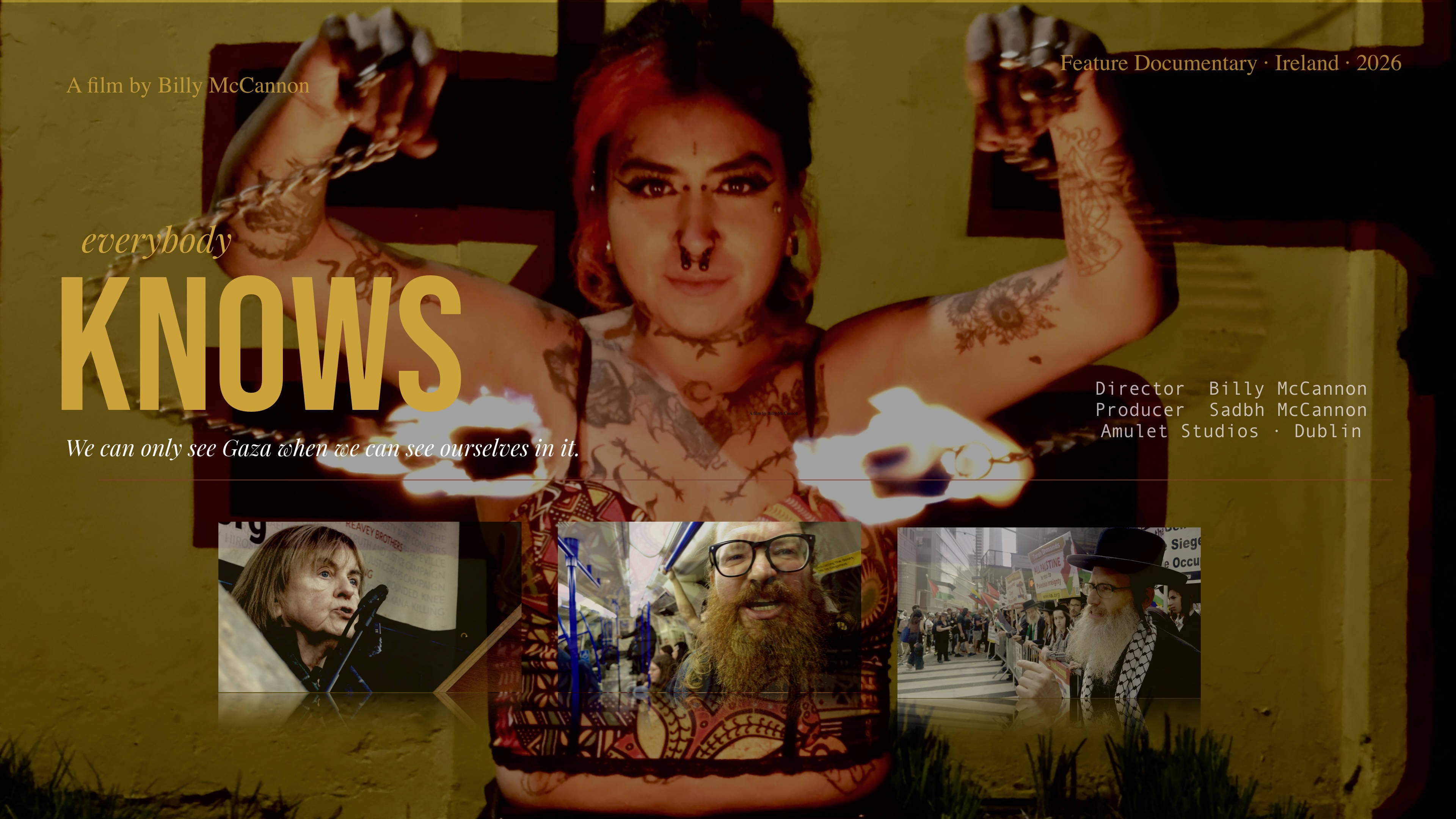
From Bernadette Devlin McAliskey, who has lived inside this architecture her entire life, to Asa Winstanley on the weaponisation of antisemitism, to Rabbi Feldman of Neturei Karta speaking from inside Jewish tradition against Zionism, to Medea Benjamin on the capture of American political life, to the streets of London where pensioners are arrested on terrorism charges for holding cardboard signs — the film traces a single continuous argument.
In New York, Colombia's President Petro invokes United for Peace at the UN General Assembly. It is the last instrument available. By nightfall his visa has been revoked.
But all across the world people are gathering together in small groups, getting ready for Albanese's kitchen table revolution.