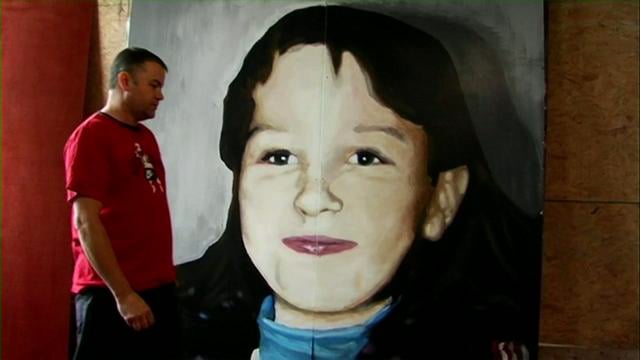
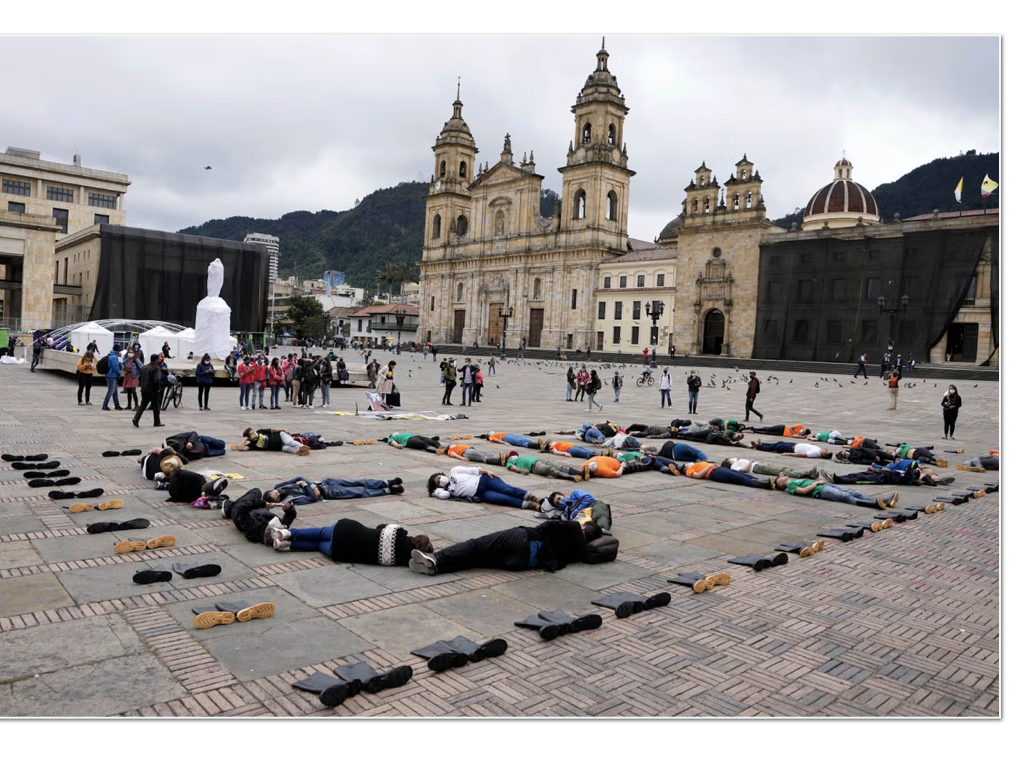
Walls Behind Walls
Portlaoise Prison Project · 1999–2009
Paul McIntyre had never played an instrument before he was imprisoned in Portlaoise. Inside, he sat the Leaving Cert and got an A in music. On release he enrolled in a music degree at Trinity College. He wanted to study music therapy. While he was still inside, he wrote and directed a film.
This was possible because in 1999 Billy McCannon had been invited to teach video-making at Portlaoise Prison through an NCAD programme funded by the Department of Justice. What started as a filmmaking course became a ten-year collaboration — building a digital cinema studio piece by piece inside a maximum security prison, working with republican prisoners on films about their own experience.
The central problem was silence. Republican prisoners operated inside two separate systems of enforced silence simultaneously. The IRA's code of secrecy meant breach of operational confidence was punishable within the organisation. The state's Special Powers legislation meant anything said on camera could, in principle, be used as evidence in the non-jury Special Criminal Court. Between these two walls, a man simply speaking about his own life — his family, his reasons, his doubts — became a radical act. The subject is not so much paramilitary violence as the silence in which it is cocooned.
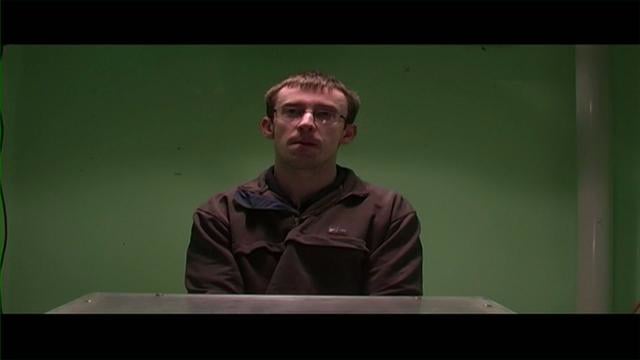
The Interrogation Project placed men alone in a makeshift studio — a cell lit like an interrogation room — and asked about their lives. Some spoke for an hour and revealed almost nothing. One described coming under interrogation as holding his finger in a candle flame. Several used the camera to admit, for the first time, to having broken under police questioning — an admission that, in an earlier era, would have seen them shunned on the landing. When a segment was shown publicly at the prison's biennial exhibition, tabloid press attention ended the project. The silence closed again.
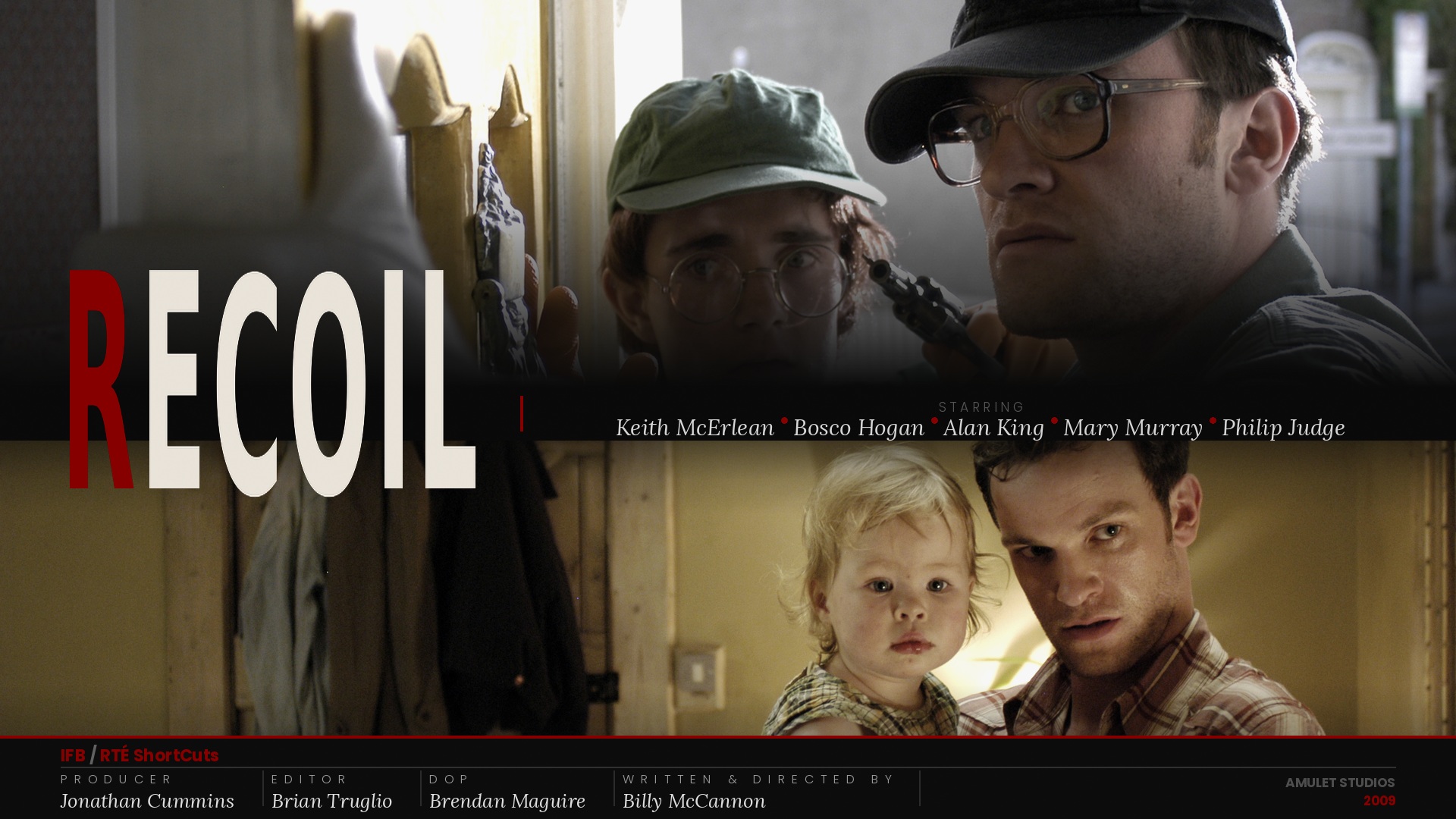
One story from the landing travelled beyond the prison walls. A story about a man on a landing — told by two different prisoners, word for word, always beginning with that same phrase — became the basis for Recoil, a short fiction commissioned by RTÉ and the Irish Film Board. It won Best Irish Short at Galway, Best International Short at Courmayeur, and Best Short at the Boston Irish Film Festival. The prison was the source and the prison could not be mentioned.
Paul's film f-slot took a different route. Unable to speak directly, he wrote a fiction drawn from his own experience, set it among ordinary prisoners rather than republican ones, and found in that distance a freedom the documentary could not give him. He also acted in it.
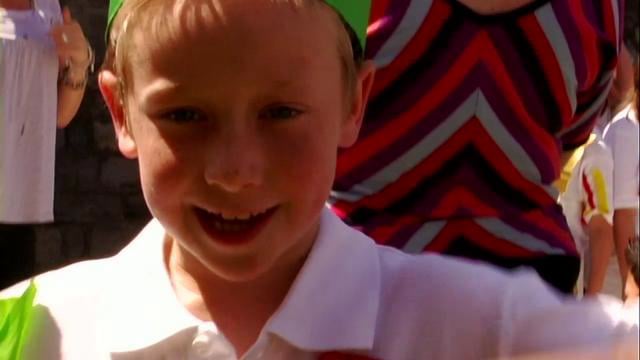
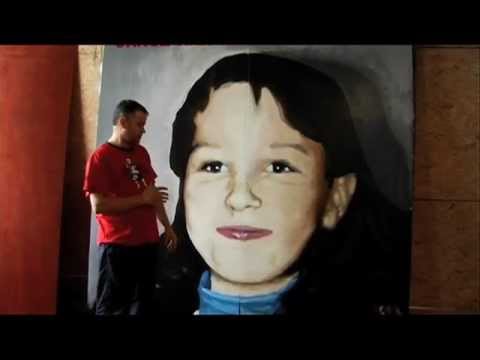
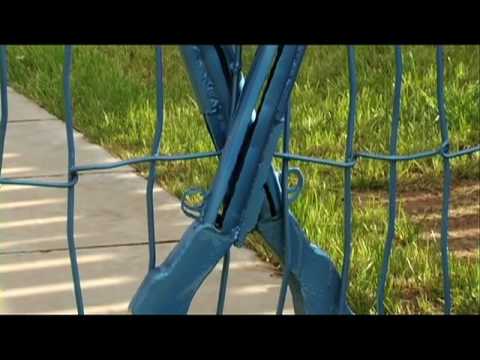
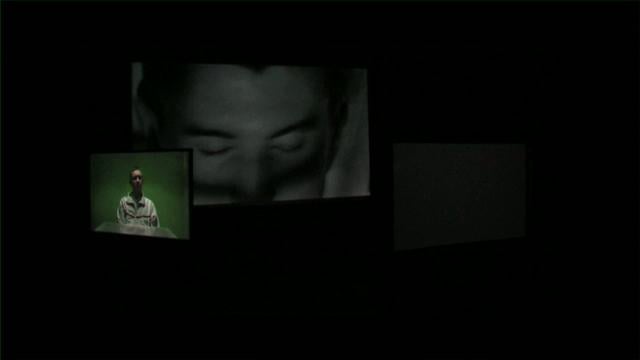
These works came together in Walls Behind Walls, a four-screen video installation shown at the NCAD MA Show in 2005. Testimony on three suspended screens in a crescent. Fiction on a large screen behind. The two works ran on different cycles — no two viewings were ever the same. Chance decided what testimony spoke to what image, and when.
◎
Documentary
True Words
2009
▶ Watch
◎
Installation
Walls Behind Walls
2008
▶ Watch
◎
Documentary
Cell 26
2024
▶ Watch
◎
Documentary
Who Fears to Speak
2009
▶ Watch